
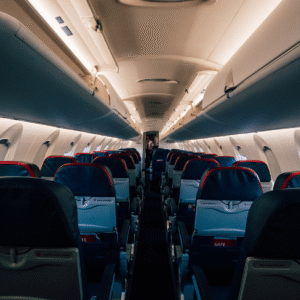
 During long-haul flights, cabin air filters are paramount for keeping the cabin comfortable and safe. When these aircraft filtration systems become compromised, they result in what the aviation industry refers to as a “fume event”. These happen when a pilot or a flight attendant reports a significant failure in the filter’s protective properties against things such as toxic engine oil fumes or hydraulic fluid vapors, which can not only cause cognitive failure but also large-scale flight safety hazards. If your fleet of aircraft is relying on standard fit, one-size-fits-all filtration solutions, then you’re just postponing a series of failures instead of actively preventing them. At Global Filtrations, we believe in crafting custom filtration solutions that capture contaminants on a molecular level, not just dust and large particles. Use this blog as your guide to learning about how upgrading your cabin filters can eliminate fume events and foul odor on board.
The Cabin Air Supply Issue: Bleed Air and Contamination
For a cabin air filtration system to work properly, it requires a near-constant supply of perfectly pressurized, temperature-controlled air. The air comes directly from the highest-pressure stages of the engine’s compressors, which is what is called bleed air. Although this system helps greatly maintain breathable air even at high altitudes, its design places the breathable air supply extremely close to hot mechanical components. This poses a significant risk of the oil, hydraulic fluid, and other dangerous fluids entering the clean, breathable air.
This inherent risk can be caused by a myriad of common operating procedures and issues, including:
- Failed or worn seals
- High power settings, especially during takeoff, when the engine pressure puts stress on seals
- Engine surging or high transient loads
- Routine maintenance procedures that involve the oil or hydraulic system can leave residue that burns off.
- Low engine oil levels contribute to rapid seal deterioration.
All of these risks are extremely common and can happen in an instant when you are relying on standard-fit aircraft filtration systems. When these events occur, they lead to the notorious fume event, which can be dangerous and costly to repair.
The Anatomy Of An Aircraft Filter Fume Event
A fume event is much more than just an unpleasant odor. It’s also much more than just a small failure; it’s a major problem that starts on a microscopic level and grows into a physical and full-scale safety threat.
When it comes to this filtration system failure, the primary sources of the fumes are engine oils, hydraulic fluids, and de-icing solutions. Oftentimes, passengers and crew first notice this event happening by smelling a faint “oily” or “wet socks” odor coming from the air vents. Many of these fluids contain neurotoxic organophosphates that are highly dangerous to people, especially when in enclosed spaces like aircraft. When inhaled for a matter of minutes, this toxin causes dangerous side effects, including:
- Headaches
- Dizzieness
- Nausea
- Cognitive impairment
Low-efficiency particulate cabin filters, which cannot reduce this specific hazard, primarily generate fume events. This is because these are only designed to remove dust, allergens, and larger microbes – yet are completely unable to filter the vapor and gases that cause fume events.
Beyond Particulates: The Need for Molecular Cabin Filtration
Many current aircraft cabin air filter systems miss the mark when it comes to molecular-level filtration and eliminating dangerous fume events. Because of this, Global Filtration strives to find our clients the ideal solution for protecting their passengers, crew, and pilots from hazardous fume migration. We do this by offering a wide variety of HEPA-style cabin filters that are able to catch the smallest, most microscopic particles by absorbing them, instead of simply filtering them. These work as a molecular sponge for vapor and gas, preventing them from endangering anyone aboard the aircraft.
Activated carbon and chemisorption media, also called Potassium Permanganate, provide the microscopic sponge effect. Chemisorption media also have the innate ability to target specific, reactive contaminants such as odor-causing sulfur compounds. It does this through a unique chemical reaction that eliminates unpleasant smells while also serving as the last line of defense against noxious vapor.
How Cabin Filter Upgrades Deliver Quantifiable Results
Aside from simply understanding the scientific necessity of using molecular-quality cabin filters, it is also vital to learn about the real, tangible benefits of upgrading your fleet’s filtration systems. First, using microscopic-level cabin filters will improve your crew’s cognitive function and health, which will immediately positively impact flight safety – leading to fewer incidents and improved longevity. Additionally, liability can be extremely costly for aircraft fleets. So by mitigating the risk of fume events, you can directly protect your company and your resources from legal and reputational harm caused by dangerous catastrophes.
Lastly, one of the biggest complaints from passengers on commercial aircraft is unpleasant odor. Regardless of whether it is “safe”, foul odors put everyone in a bad mood and make even short flights miserable. These could be from stale air, fuel odor, or cleaning chemicals, but nonetheless, by improving your passengers’ overall experience, you can improve your clients’ perception of your company.
Operation Advantages of Investing in Modern Aircraft Filters
Along with the enhanced health and reputational changes from investing in upgraded cabin filters, you can also see a myriad of operational improvements. These could include fewer diversions and groundings due to unexpected fume events. Unscheduled groundings are costly, so by avoiding them, you can improve your overall maintenance budget.
Additionally, more advanced cabin filters often offer longer service lives than lower-quality, standard filters. When you invest in high-quality products, you get longer-lasting, better-performing products. At Global Filtration, not only do we offer a wide variety of aircraft filtration solutions, but they are all built with the best materials to last as long as possible.
Selecting The Perfect Cabin Air Filter For Your Aircraft Needs
Finally, now that you understand the vast benefits of investing in a high-quality aircraft filtration solution, we can dive into how we help our clients select the correct filter for their unique needs. Our team at Global Filtration is expertly trained to look at these primary specifics in order to find your ideal solution:
- Airflow dynamics: This means what kind of airflow rate the filtration system must withstand its design. Incorrect pressure differentials are one of the fastest ways to make a filter fail.
- Filter media volume: Designers must perfectly size the correct amount of absorption material in high-quality cabin air filters to prevent any gaps or leaks.
- Regulatory compliance requirements: We ensure that all of our aircraft filtration solutions are perfectly compliant with all FAA regulations. In most cases, our PMA-certified filtration parts are actually highly tested in comparison to all OEM parts, making our filters the safest on the market.
If you are tired of budget overruns from unplanned groundings, passenger complaints, and stressed crew members, then consider upgrading your cabin air filters. At Global Filtration, we seek to find solutions that help you achieve your goals and keep your staff, passengers, and equipment safer and more efficient at all times. Contact Global Filtration today for a free cabin air filter estimate for your fleet.